When to Repair, Recycle, or Recraft Your Gear
The complete repair vs. recycle math for every gear type in Arc Raiders — shields, weapons, augments, and quick-use items. Resource-aware verdicts for each.
The repair-vs-recycle decision in Arc Raiders depends on the gear type and which materials you can actually afford to spend. Here’s the short version:
| Gear | Repair? | Recycle? | Why | |
|---|---|---|---|---|
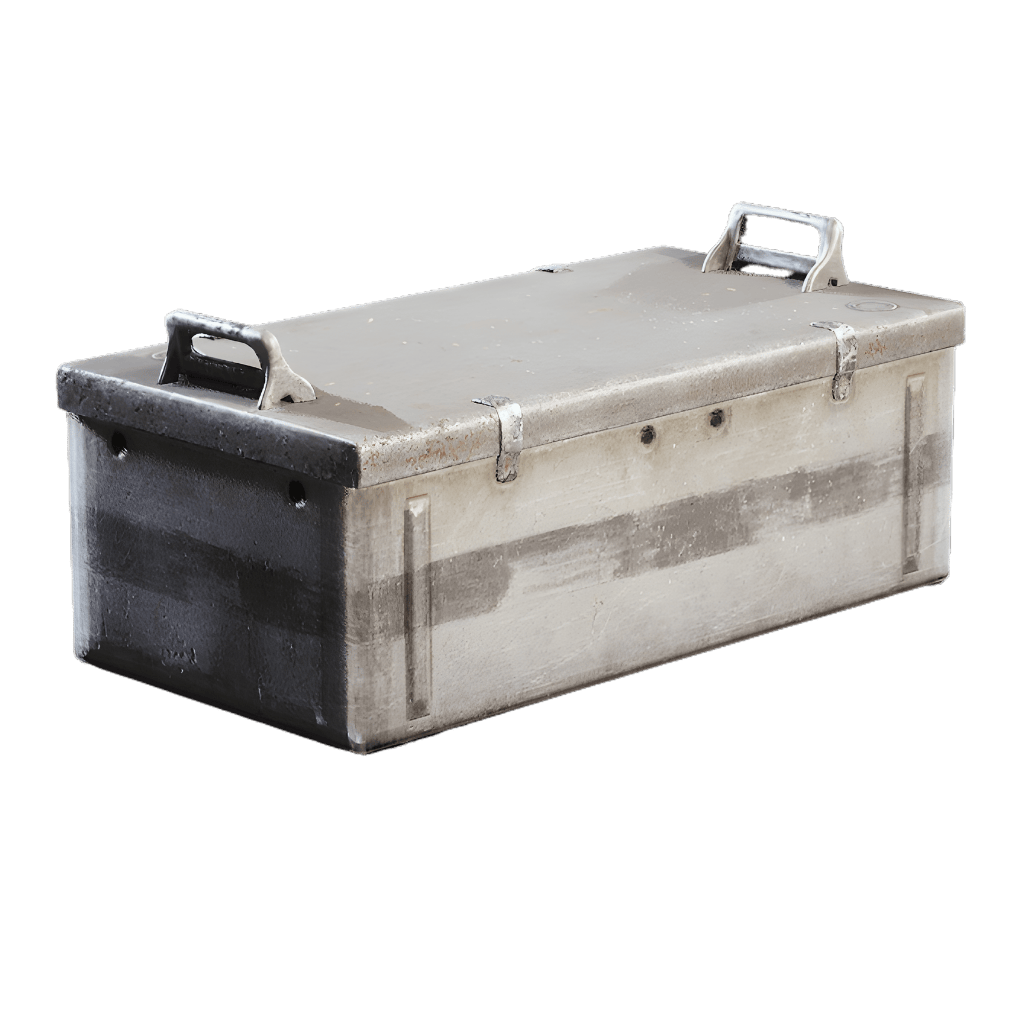 | Augments | No | Use til broken | No performance loss at low durability. Just ride it out. |
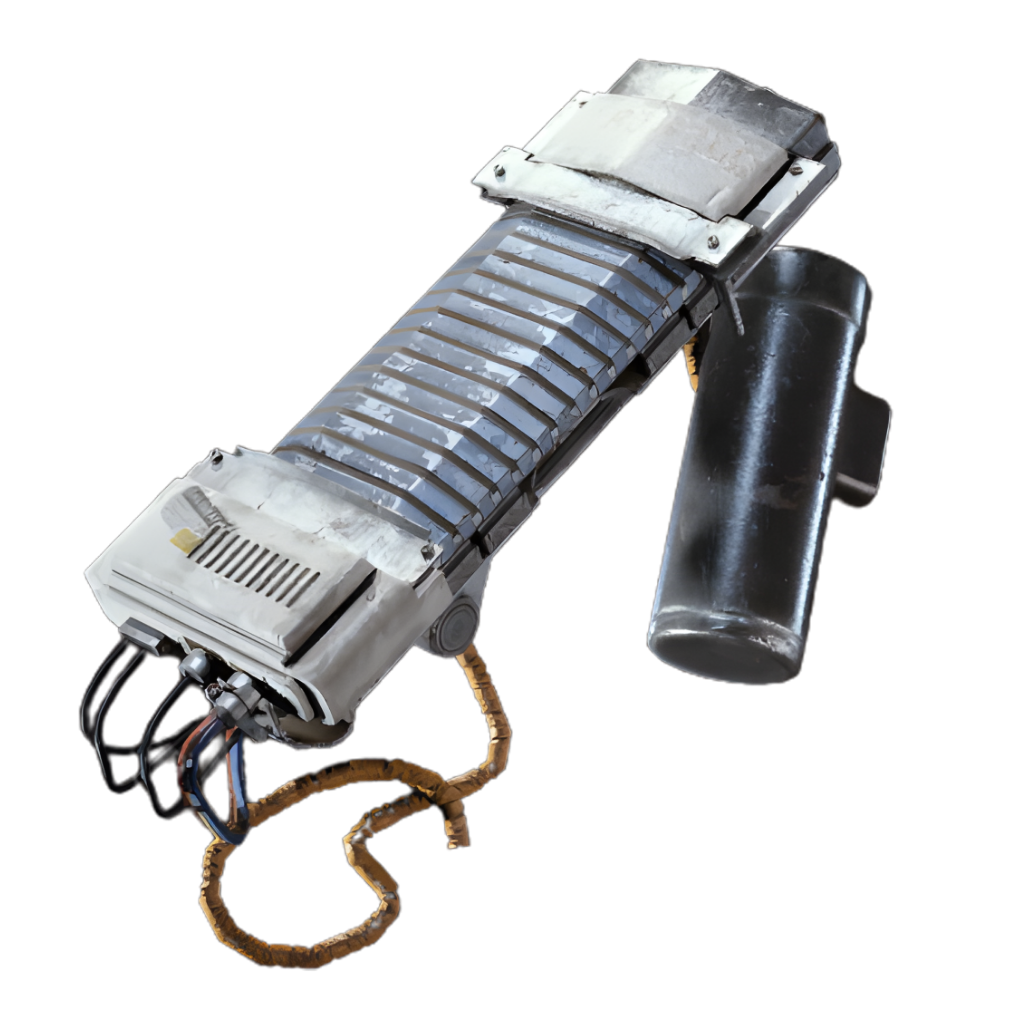 | Light Shields | Yes | Only if flush on ARC Alloy | Plastic Parts are free from Scrappies. ARC Alloy has 5+ competing sinks. |
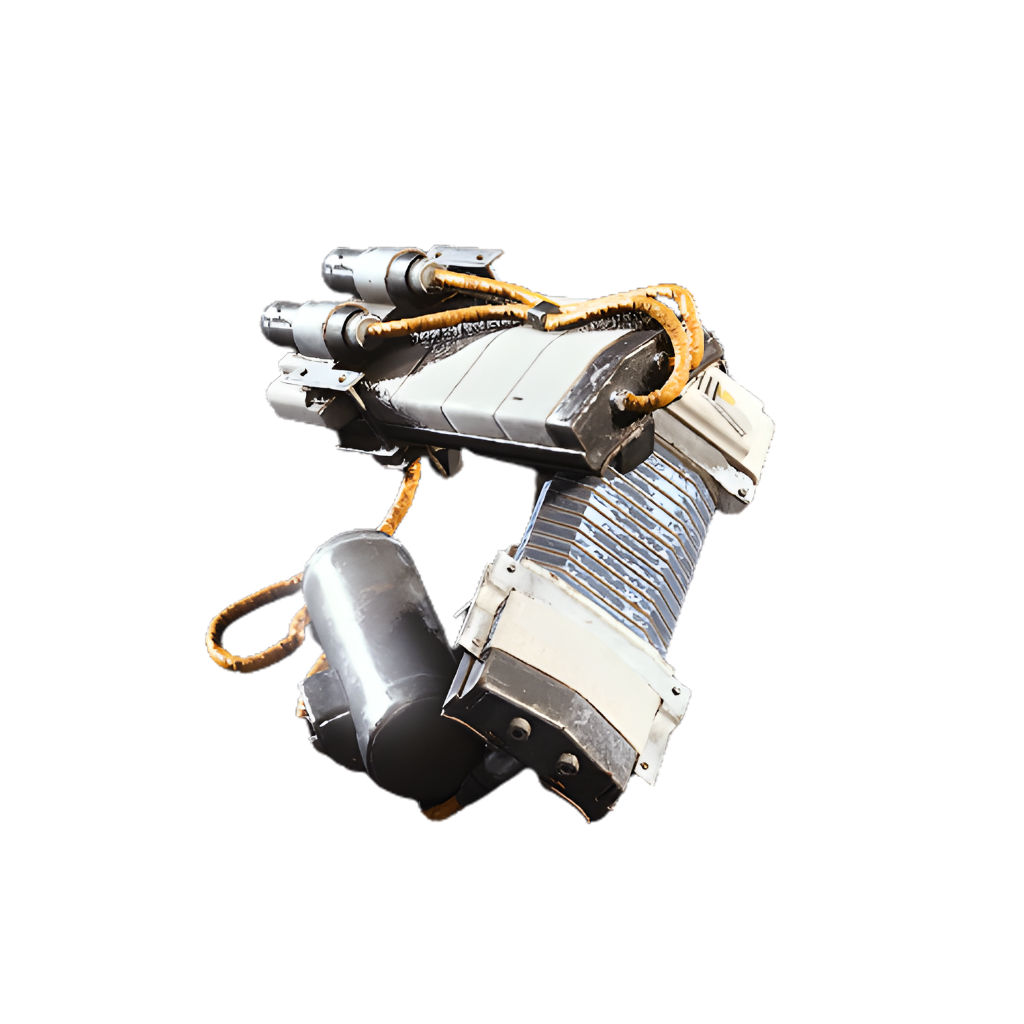 | Medium Shields | Only if lightly worn | Yes | ARC Circuitry is the bottleneck. Recrafting saves it. |
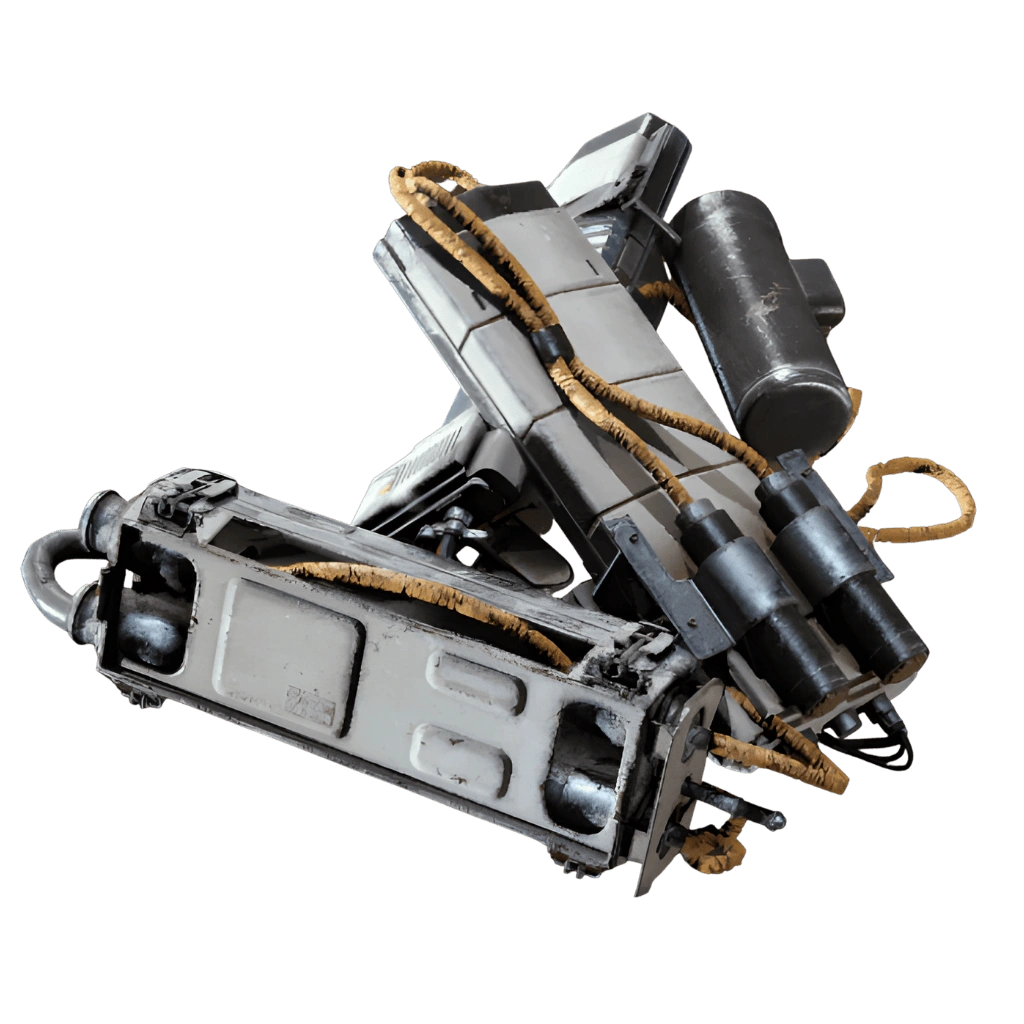 | Heavy Shields | Yes | Avoid | Recycling destroys the Power Rod. Not worth it. |
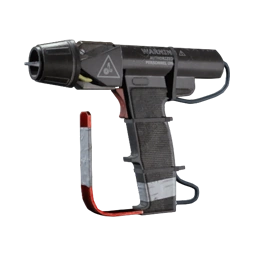 | Snap Hooks | Yes | No | Saves a Power Rod per cycle. Looted ones can only be repaired. |
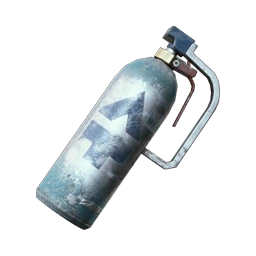 | Vita Sprays | Yes | Situational | Repair avoids Tick Pods, needed for Medical Lab upgrades. |
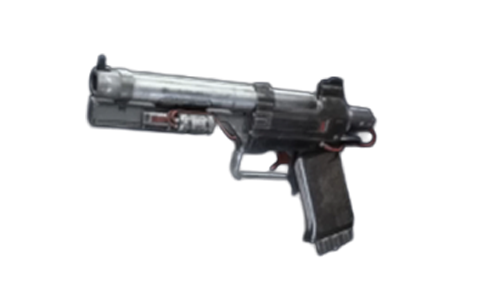 | Weapons | It depends | It depends | Case-by-case math based on upgrade level, rarity, and stockpile. |
Recycling always returns the rarest component regardless of durability, so you can recover expensive materials. But the “cheap” materials you spend to recraft aren’t always as cheap as they seem. The community has converged on decision rules anchored around how worn the gear is for shields, a “just don’t bother” stance on augments, and a resource-availability check for everything else.
How the Durability and Repair System Works
Every weapon, shield, and augment has a durability score that maxes at 100 for most gear — upgraded weapons hold more, up to 130 at Level IV. Weapons lose durability from firing (each gun has a unique per-shot degradation rate) and from dying. Shields lose durability from absorbing damage and from death. Augments are unique — they only lose durability when you fully die (a downed-then-revived player loses none) (more on this below).
Durability does not affect in-combat performance. A shield at 10% durability has the same charge capacity and mitigation as one at 100%. Same for weapons: no confirmed evidence that low durability affects reload speed or damage output, despite some community speculation. Durability is a lifespan counter, not a performance stat. Once it hits zero, the item breaks and can no longer be used. The real penalty for low durability is economic: sell value scales non-linearly. A Hullcracker at 100 durability sells for roughly 10,000 coins versus about 1,000 coins at zero.
Repairs are performed at the Workshop in Speranza by right-clicking an item. A repair restores durability in 50-point steps: one repair cycle adds 50 durability for a fixed material cost. So topping up a lightly-worn item takes one cycle, while bringing one back from below 50% takes two cycles and roughly doubles the bill. That second cycle is the whole reason recycling can beat repairing once gear is badly damaged. Because upgraded guns hold more durability (up to 130), a fully-broken Level IV weapon can take three cycles to fill. An active Expedition “Repair Value Increase” buff raises how much durability each repair restores (up to +30%, but it resets the moment you miss a departure window) — it doesn’t lower the per-cycle material cost, but it can drop a two-cycle repair down to one. The per-item costs in the tables below are per cycle. Mid-raid repairs are not possible, though ARC Powercells can recharge a shield’s charge without restoring its long-term durability.
One crucial rule governs the entire system: recycling returns are completely unaffected by durability. A shield at 0% and one at 100% yield identical materials when broken down. This single fact underpins most of the community’s strategic advice.
Augments: Almost Never Repair (The Easiest Call in the Game)
This deserves top billing because it’s the most straightforward decision and the one most new players get wrong.
Why augments are fundamentally different from weapons and shields
Augments don’t degrade from firing or from absorbing hits the way weapons and shields do. The only thing that costs an augment durability is fully dying — it takes a flat 30-point hit, about a third of its bar, per death. Getting downed and revived (or extracting while downed) costs nothing; the hit only lands on a real death.
That means a fresh augment survives about three deaths and is ruined on the fourth. Since you only take the hit when you actually die (and you’ve lost the augment to the killer anyway), there’s almost never a reason to proactively repair one.
Why there’s no performance penalty at low durability
Here’s what makes the augment math truly decisive: no gear type in Arc Raiders suffers performance degradation at low durability. Durability is purely a lifespan counter across all item types. An augment at 1 durability functions identically to one at 100: same inventory slots, same weight capacity, same shield compatibility, same passive ability. It works perfectly right up until it hits zero and breaks.
This means there is little reason to repair an augment that still has durability remaining. Even low, it performs identically. It will only lose more durability the next time you’re downed — and if you fully die, you’ve lost the augment anyway (it drops on death like everything else in your loadout).
The repair math confirms it
Even if you did want to proactively repair, the numbers don’t support it:
| Action | Cost / Return |
|---|---|
| Craft new augment | 2× Adv. Electrical Components + 3× Processors |
| Repair (restores about half) | 1× Adv. Electrical Component + 2× Processors |
| Recycle | 1× Adv. Electrical Component + 1× Processor |
After recycling and accounting for recovered materials, the net cost to recraft is about the same as repairing — but recrafting gives you a full-durability augment, while a repair only restores part of the bar. Repairing is the worse deal even when you do want the durability back.
The community verdict
Every guide, every Reddit thread, and every Steam discussion agrees: never repair augments. Use them until they break, recycle if the durability is low enough that one more death would destroy it (and you’re going on a risky run), or just ride it into the ground. The only person who benefits from repairing a low-durability augment is the enemy player who kills you and picks it up — you’re literally spending resources to improve their loot.
Shields: Recycle and Recraft Almost Every Time
The shield economy is the next-clearest case for recycling over repairing. Arc Raiders has three shield tiers, and the math favors recrafting for two of them. For a full breakdown of how shield mitigation and charge work, see our Shield Guide.
Light Shield (Uncommon — Gear Bench 1)
| Action | Cost / Return |
|---|---|
| Craft new | 2× ARC Alloy + 4× Plastic Parts |
| Repair | 4× Plastic Parts |
| Recycle (at Speranza) | 4× Plastic Parts |
| Salvage (mid-raid) | 1× ARC Alloy |
The Light Shield math looks straightforward on paper. Each repair cycle costs 4 Plastic Parts, so a shield below 50% takes two cycles (8 Plastic Parts), while recycling and recrafting costs a net of just 2 ARC Alloy (recycling returns 4 Plastic Parts, recrafting costs 4 Plastic Parts + 2 ARC Alloy). That makes recrafting look cheaper — until you consider what those 2 ARC Alloy actually cost you.
Plastic Parts are passively generated by Scrappies every raid and drop from containers across every map in the game. They’re among the most abundant materials in Arc Raiders. ARC Alloy is Uncommon rarity with heavy competing demand: it feeds into ARC Circuitry and ARC Motion Core recipes at the Refiner, Seeker Grenade crafting, workshop station upgrades (the Utility Station and Medical Lab both require 6 ARC Alloy each at Tier 1), and multiple quest turn-ins. For most players progressing through Speranza upgrades, ARC Alloy has five or six competing sinks at any given time.
Spending a resource you passively accumulate every raid is often smarter than spending one that’s bottlenecking your workshop progression. The more lightly worn the shield is, the cheaper the repair, which only makes paying abundant Plastic Parts over scarce ARC Alloy the more obvious call.
Verdict: Repair Light Shields if you have any competing use for ARC Alloy — which most players do. Recycle and recraft only if your ARC Alloy stockpile genuinely exceeds demand.
Medium Shield (Rare — Gear Bench 2)
| Action | Cost / Return |
|---|---|
| Craft new | 1× ARC Circuitry + 4× Batteries |
| Repair | 1× ARC Circuitry + 1× Battery |
| Recycle (at Speranza) | 1× ARC Circuitry |
This is the clearest recycle case, and it’s where the 50% step matters most. One repair cycle costs 1 ARC Circuitry + 1 Battery, so a shield below 50% takes two cycles: 2 ARC Circuitry + 2 Batteries. Recycling the damaged shield recovers 1 ARC Circuitry, so recrafting costs a net of just 4 Batteries and spends no ARC Circuitry at all. Since ARC Circuitry is the bottleneck resource and Batteries are common, recrafting wins below 50% — which is exactly why the community advice is “don’t repair Medium Shields once they drop under half.”
Verdict: Recycle and recraft Medium Shields, especially below 50%. A single top-up repair on a barely-damaged one is acceptable only if Batteries are scarce.
Heavy Shield (Epic — Gear Bench 2)
| Action | Cost / Return |
|---|---|
| Craft new | 1× Power Rod + 2× Voltage Converters |
| Repair | 2× ARC Circuitry + 1× Voltage Converter |
| Recycle (at Speranza) | 2× ARC Circuitry + 1× Voltage Converter |
The Heavy Shield is the exception. Crafting requires a Power Rod, which is an Epic-rarity material crafted from 2 Advanced Electrical Components + 2 ARC Circuitry at Refiner Level 3. Critically, recycling a Heavy Shield does not return the Power Rod — you only get back ARC Circuitry and a Voltage Converter. This means every recycle-and-recraft cycle permanently destroys a Power Rod’s worth of materials. The repair cost (2 ARC Circuitry + 1 Voltage Converter) is steep but avoids losing the Power Rod entirely.
Verdict: Repair Heavy Shields. Only recycle if the Power Rod cost is trivial to your stockpile.
Weapons: Upgrade Level Is the Hidden Cost Driver
Weapon economics are more nuanced than shields because of the upgrade system. Weapons can be leveled from I through IV at the Gunsmith, with each level improving stats and maximum durability while reducing per-shot durability loss. However, each upgrade level also increases repair costs, making high-level weapons progressively more expensive to maintain.
The golden rule: repair before you upgrade
This is the single most important weapon economy tip. If you plan to both repair and upgrade a weapon, always repair first at the lower level’s cost, then upgrade. Upgrading first locks you into the higher tier’s repair price. For a weapon like the Venator, this can mean the difference between spending common materials versus rare Advanced Mechanical Components.
Detailed example: Venator (Rare Pistol)
| Action | Materials |
|---|---|
| Craft Venator I | 2× Adv. Mechanical Components + 3× Medium Gun Parts + 5× Magnets |
| Upgrade I→II→III→IV | ~4× Adv. Mechanical Components + 6× Medium Gun Parts (cumulative) |
| Total for fresh Venator IV | ~6× Adv. Mech. Components + 9× Medium Gun Parts + 5× Magnets |
| Repair Venator IV (per cycle) | 3× Adv. Mech. Components + 3× Medium Gun Parts |
| Recycle Venator IV | 3× Medium Gun Parts |
The recycle-and-recraft path for a Venator IV: after recycling (recovering 3 Medium Gun Parts), building and fully upgrading a new one costs a net ~3 Advanced Mechanical Components + 6 Medium Gun Parts + 5 Magnets. Repair costs add up per cycle, and because a Level IV gun holds 130 durability, a badly-worn one can need two or three cycles to fill — so the repair bill climbs fast. Recycling trades Advanced Mechanical Components for Magnets, so which strategy wins depends on your stockpile: if Advanced Mechanical Components are your bottleneck, recycle; if Magnets are scarce, repair a lightly-worn gun instead.
Weapon durability efficiency varies wildly by gun
Community testing by Min Max Lab measured damage output per full repair cycle at Level IV, revealing large differences. This is player-sourced data, not official Embark numbers — values may shift with balance patches:
| Weapon | Rarity | Damage per Full Repair | Efficiency Rating |
|---|---|---|---|
| Venator IV | Rare | ~16,400 damage | Best overall |
| Stitcher IV | Common | ~13,700 damage | Best common weapon |
| Rattler IV | Common | ~11,900 damage | Moderate |
| Osprey | Rare | Breaks after ~1.5 ammo stacks | Very poor |
The Venator is cheaper to repair on a per-damage basis than the Anvil, which was a rarity below it when we measured (Frozen Trail 2.0 moved the Anvil up to Rare), suggesting that rarity alone doesn’t predict repair efficiency. The Osprey is notoriously expensive to operate — it degrades extremely fast relative to its output.
The 15-durability farming rule (community convention)
Experienced players recommend not repairing weapons above 15 durability for routine farming raids. At Level 1, 15 durability provides roughly 35 shots — enough for most PvE encounters. The logic is risk management: fully repairing an expensive weapon before a dangerous raid just increases your material loss if you die. Keep weapons at minimum viable durability, and only fully repair for high-stakes runs. This is a community-developed rule of thumb, not a hard game mechanic — there’s no in-game breakpoint at 15 durability. The number comes from typical PvE ammo consumption and may not suit every weapon or playstyle.
Item Level and Rarity Compound the Repair Tax
Higher-tier items cost more across every dimension — crafting, upgrading, and repairing. The system creates three distinct cost escalation layers.
Rarity tier determines base material types. Common weapons (Stitcher, Burletta) use cheap Mechanical Components and Simple Gun Parts. Uncommon and Rare weapons (Il Toro, Venator) add Advanced Mechanical Components and refined gun parts. Epic weapons (Tempest, Bobcat) require Magnetic Accelerators and Exodus Modules. Legendary weapons (Aphelion, Jupiter, Equalizer) demand the rarest drops: Queen Reactors, Matriarch Reactors, and 3 Magnetic Accelerators each.
Upgrade level multiplies repair costs within a rarity. A Level I weapon requires basic materials to repair; the same weapon at Level IV demands significantly more and rarer components. This is the hidden tax that makes high-level weapons increasingly expensive to maintain and strengthens the case for recycling once the upgrade-cost math favors it.
Recycling returns are fixed per item and independent of both durability and upgrade level. You always get back the same subset of materials — typically the rarest crafting component — regardless of the item’s condition. This flat return structure means recycling becomes proportionally more valuable as items get more damaged, since repair costs climb with wear while recycle returns stay constant.
Recycling Returns: The “Rarest Component First” Pattern
There is no flat percentage-based recycling system in Arc Raiders. Each item has hand-tuned recycling outputs that typically prioritize returning the most valuable ingredient while absorbing the common ones. The effective recovery rate varies by item but generally falls in the 30–60% range of total crafting material value.
Key recycling rules: recycling at Speranza gives full listed returns, while salvaging mid-raid returns approximately half — always bring items home if possible. Durability has zero effect on recycling output. Selling items for coins and recycling for materials are mutually exclusive — decide based on whether you need coins or components. Community tools like ArcKit.app and pRoDeeD’s Recycling Cheat Sheet (now on Version 3) catalog every item’s optimal disposition.
Notable recycling outputs include Exodus Modules breaking down into 1 Mechanical Component + 2 Magnets, Power Rods yielding 1 Advanced Electrical Component + 1 ARC Circuitry, and Queen/Matriarch Reactors each returning a Power Rod — making boss-drop recycling an important source of this critical material.
Repairable Quick-Use Items: Snap Hook and Vita Spray
Most consumables in Arc Raiders are single-use — craft them, use them, gone. Two items break this pattern: the Snap Hook and the Vita Spray are repairable, meaning you can restore durability after use rather than crafting from scratch every time. Most players don’t realize these are repairable at all, and the economics are worth understanding.
Snap Hook
| Action | Cost / Return |
|---|---|
| Craft new | 2× Power Rod + 3× Rope + 1× Exodus Modules |
| Repair | 1× Power Rod + 1× Exodus Modules |
Repairing a Snap Hook costs 1 Power Rod + 1 Exodus Modules versus crafting a fresh one at 2 Power Rod + 3 Rope + 1 Exodus Modules. Repair saves a full Power Rod and 3 Rope per cycle — a significant saving given Power Rods are Epic-rarity refined materials crafted from 2 Advanced Electrical Components + 2 ARC Circuitry at Refiner Level 3.
There’s an important edge case: players who looted a Snap Hook in-raid without owning the blueprint can only repair it. The blueprint is locked behind Utility Station Tier 3. For these players, repair is the only way to keep using the item, making every repair material count.
Verdict: Repair Snap Hooks. The Power Rod savings per cycle are substantial, and looted copies without the blueprint can only be repaired.
Vita Spray
| Action | Cost / Return |
|---|---|
| Craft new | 3× Antiseptic + 1× Canister + 1× Tick Pod |
| Repair | 2× Antiseptic + 1× Canister |
The Vita Spray tradeoff comes down to Tick Pods versus Canisters. Crafting costs 1 extra Antiseptic and 1 Tick Pod compared to repair, while repair requires 1 Canister that crafting does not. Tick Pods drop exclusively from Ticks and are also needed for Medical Lab upgrades (Tier 2 costs 8 Tick Pods). Canisters are a common world drop found in containers across most maps. For most players — especially early in progression when Medical Lab upgrades still need Tick Pods — avoiding the Tick Pod spend by repairing is the better path.
Verdict: Repair Vita Sprays unless Canisters are harder to come by than Tick Pods at your current stage of progression.
Quick Reference Decision Matrix
| Gear Type | Durability | Best Action | Why |
|---|---|---|---|
| Augments | Any | Don’t repair. Use until broken. | No performance loss at low durability. Only degrades when you fully die. Recrafting from blueprint beats repairing. |
| Light Shield | Any | Repair (recycle only if flush on ARC Alloy) | Plastic Parts (repair) are abundant; ARC Alloy (recraft) has heavy competing demand |
| Medium Shield | Below 50% | Recycle + recraft | Below 50% = two repair cycles (2 ARC Circuitry); recrafting spends only Batteries |
| Heavy Shield | Any | Repair | Power Rod is not recoverable through recycling |
| Snap Hook | Any | Repair | Saves a Power Rod per cycle; looted copies can only be repaired |
| Vita Spray | Any | Lean repair | Avoids Tick Pod cost; only recraft if Canisters are scarce |
| Common/Uncommon Weapons | Well worn | Lean recycle + recraft | Repair cost climbs with wear; accessible recraft materials |
| Common/Uncommon Weapons | Lightly worn | Repair (at current level, then upgrade) | A cheap top-up beats a full rebuild |
| Epic/Legendary Weapons | Any | Repair | Blueprint-locked; rare materials too expensive to rebuild |
| Any weapon (farming run) | Above ~15 | Don’t repair (community rule of thumb) | ~35 shots at Lvl 1 is typically enough for PvE; not a hard game mechanic |
Conclusion
Arc Raiders’ repair economy rewards players who do the math rather than reflexively repairing — but the math isn’t just about material counts. Resource scarcity matters as much as raw numbers. The system’s core asymmetry — recycling returns are durability-independent while repair costs climb the more worn an item is — creates a structural incentive to recycle, but only when the materials you spend to recraft are genuinely cheaper than the ones you’d spend to repair. Augments are the simplest call: they only lose durability when you die and a repair only restores part of the bar, so recrafting from blueprint is almost always the better use of resources. Medium Shields are a clear recycle-and-recraft case because ARC Circuitry is the bottleneck. Light Shields flip the other way for most players — Plastic Parts are abundant enough that repairing beats spending ARC Alloy. Heavy Shields and high-tier upgraded weapons should be repaired because they lose irreplaceable materials on recycle. Snap Hooks and Vita Sprays are easy repair calls that save Power Rods and Tick Pods respectively. Given the game’s Early Access status and Embark’s pattern of economic adjustments, these specific numbers will shift — but the framework of comparing net recrafting cost against repair cost while accounting for which materials are actually bottlenecking your progression should remain the right way to evaluate any future changes.
- Durability is a lifespan counter, not a performance stat. Gear works at full power until it breaks
- Augments: never repair. No performance loss, and they only lose durability when you fully die (a revived knockdown costs nothing)
- Light Shields: repair. Plastic Parts are free, ARC Alloy has 5+ competing sinks
- Medium Shields: recycle and recraft. ARC Circuitry is the bottleneck
- Heavy Shields: repair. Recycling destroys the Power Rod
- Weapons: always repair before upgrading to avoid higher-tier repair costs
Explore Our Tools
More Articles

Anvil Splitter: What You Need to Know
What the Anvil Splitter actually does in Arc Raiders: the 4-pellet damage math, why it doesn't out-kill a bare Anvil on most targets, the Rocketeer Flipper trick that justifies keeping one, and how it stacks up against the Il Toro.

The Complete Guide to Trigger 'Nades in Arc Raiders
How the Trigger 'Nade works in Arc Raiders, why two guarantees a kill, extraction ambush setups, PvE combos, what the Patch 1.11.0 + 1.26.0 nerfs changed, and how it compares to every other grenade.

Arc Raiders Close Scrutiny: The Complete Guide
Everything you need to know about Close Scrutiny in Arc Raiders. How Assessors work, Vaporizer weak points, exclusive loot drops, solo strategies, and the loadout that covers all threats.